
Wedding RSVP Deadline at a Glance
Most wedding RSVPs should be due 3–4 weeks before your wedding date. That gives you time to finalize your headcount, confirm catering numbers, and build your seating chart without chasing guests at the last minute.
Send invitations: 6–8 weeks before the wedding
RSVP deadline: 3–4 weeks before the wedding
Follow up window: 1–3 days after the RSVP deadline
Final vendor headcount: usually 7–10 days before the wedding (varies by venue/caterer)
If you’re still planning your full timeline, start with our guide on when to send wedding invitations. If you want faster replies (and fewer “I forgot!” texts), you can also use a QR code—here’s how: create a wedding RSVP QR code.
Setting the right RSVP deadline is one of the simplest ways to reduce wedding-planning stress. Your RSVP due date affects your catering numbers, seating chart, rentals, place cards, and even transportation. Set it too late and you’ll scramble; set it too early and guests may guess (or ignore it).
What Is the Ideal RSVP Deadline?
For most weddings, the ideal RSVP deadline is 3–4 weeks before the wedding date. That timeline gives you enough buffer to follow up with non-responders and still meet your venue or caterer’s final headcount deadline.
If you’re building your overall planning timeline, pair this with our guide on when to send wedding invitations so the whole schedule stays consistent.
How to Pick Your Exact RSVP Date
A simple rule that works for almost every wedding:
RSVP deadline = your final vendor headcount deadline minus 7–10 days.
Why the buffer? Because some guests will reply late, some will need a reminder, and you’ll want time to update numbers confidently instead of rushing decisions the night before you owe a final count.
If your caterer needs a final number 10 days before: set RSVPs due 3–4 weeks before, then confirm stragglers during your buffer.
If your venue needs a final number 14 days before: set RSVPs due closer to 4 weeks before.
If your wedding is very small: 2–3 weeks may be workable, but only if your vendors allow it.
When Should Invitations Be Sent?
Wedding invitations are typically sent 6–8 weeks before the wedding. That gives guests enough time to plan, while keeping the event “close enough” that they actually respond.
For destination weddings (or lots of travel), invitations often go out 10–12 weeks ahead. If you want the full breakdown (including save-the-dates), see our complete timeline guide: When Should You Send Wedding Invitations?
Wedding RSVP Timeline Example
Here’s an easy example you can copy and adjust:
Wedding date: Saturday, June 28
Send invitations: May 3–10 (6–8 weeks before)
RSVP deadline: June 1–7 (3–4 weeks before)
Follow up with non-responders: June 8–10
Final catering/headcount due: June 14–18 (depends on vendor)
If you’re collecting responses online, it’s easier to see who hasn’t replied and nudge them quickly. (If you haven’t made your RSVP page yet, start here: wedding RSVP website.)
Why 3–4 Weeks Works Best
The 3–4 week window is the “sweet spot” because it balances guest behavior with vendor needs.
Accurate headcount: helps you avoid overpaying for meals, rentals, and favors
Seating chart sanity: you can finalize table plans without constant changes
Vendor deadlines: gives you a buffer before catering/venue cutoffs
Less chasing: you still have time for reminders without sounding frantic
Destination & Out-of-Town Guests
If many guests are traveling, you may want to move everything earlier:
Send invitations: 10–12 weeks before the wedding
Set RSVPs due: 4–6 weeks before the wedding (especially if hotels or flights are involved)
Even if you keep your RSVP deadline at 3–4 weeks, consider sending a save-the-date earlier and include your wedding website or RSVP link so guests can plan. If you want a faster, more reliable response flow, adding a QR code helps a lot: How to Create a Wedding RSVP QR Code.
What If Guests Don’t Respond?
It’s normal to have a handful of guests miss the deadline. Plan a simple follow-up system:
Day 1–2 after the deadline: send a friendly text reminder.
Day 3–5: call the last few remaining guests (or ask a family member to help).
After your buffer ends: mark missing responses as “not attending” so you can finalize vendors.
This is where online RSVPs help: you can see non-responders instantly and avoid digging through texts. If you’re using a QR code on your invitations, responses tend to come in sooner because it removes friction.
RSVP Wording Examples
Clear wording increases response rates. Use a firm date and keep it simple:
Classic: “Please RSVP by June 1.”
Friendly: “Kindly RSVP by June 1 so we can finalize plans.”
Direct: “RSVPs close on June 1.”
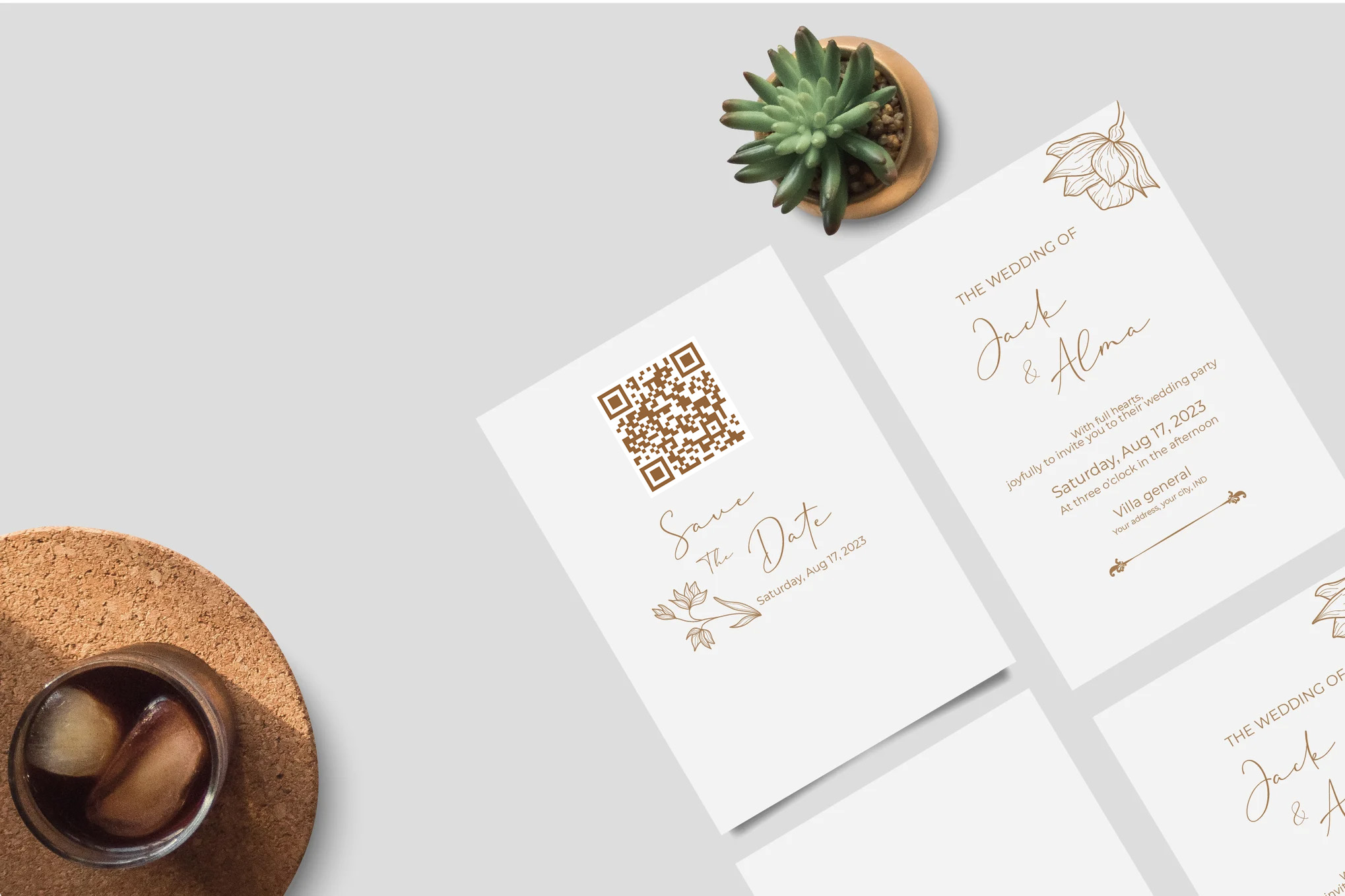
With QR: “Scan to RSVP by June 1.”
If you’re printing invitations, adding “Scan to RSVP” with a QR code is one of the easiest ways to boost replies. Here’s the step-by-step: create a wedding RSVP QR code.
Pro Tip: Make RSVPs Easier (QR Codes)
Even if you choose paper invitations, you don’t need paper RSVPs. A QR code lets guests reply instantly from their phone, which reduces late responses and “I lost the card” problems.
If you want guests to scan and respond in seconds, follow this guide: How to Create a Wedding RSVP QR Code.